Mining operations often risk losing vital connections to Aboriginal heritage, especially when physical sites face disturbance. Wilpinjong Mine took a new path by 3D scanning a scarred Eucalyptus albens tree, preserving its stories in digital form before salvage. This case reveals how modern technology can protect cultural landmarks and share them with the community beyond traditional archives. Here’s how Wilpinjong’s approach set a new standard for respecting heritage on mining lands.
Mining and Cultural Preservation 🌳
Let’s be real: mining and cultural heritage haven’t always played nicely together. But what if there’s a way to respectfully document the past? That’s what happened at Wilpinjong Mine, about 40km north east of Mudgee, where they’ve shown us how technology can aid in balancing unavoidable circumstances and preservation of culture and historically important sites.
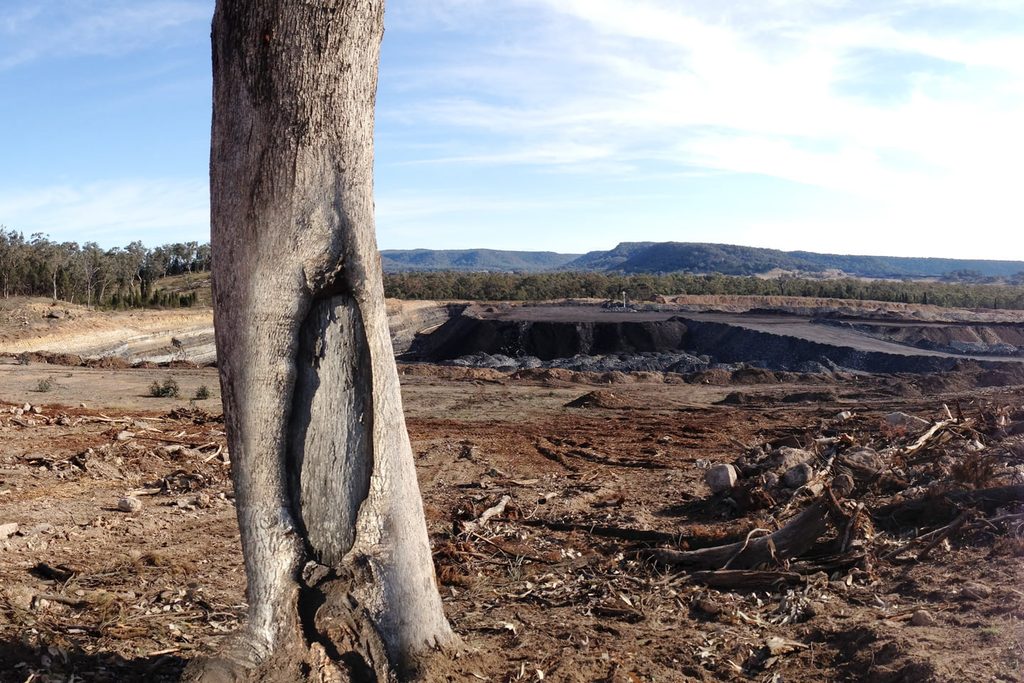
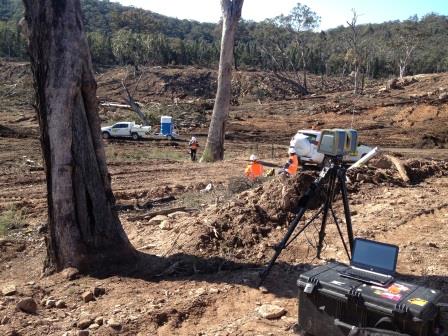
Here’s the story. The mine sits on Wiradjuri land, home to over 1,000 documented Aboriginal cultural heritage sites. It’s a living history stretching back thousands of years. When the mine needed to salvage distinctively scarred Eucalyptus albens trees, also known as White box trees, they didn’t just cut them down and call it a day. They used with 3D laser scanning and HDR photography in conservation.
What Makes These Trees So Special?
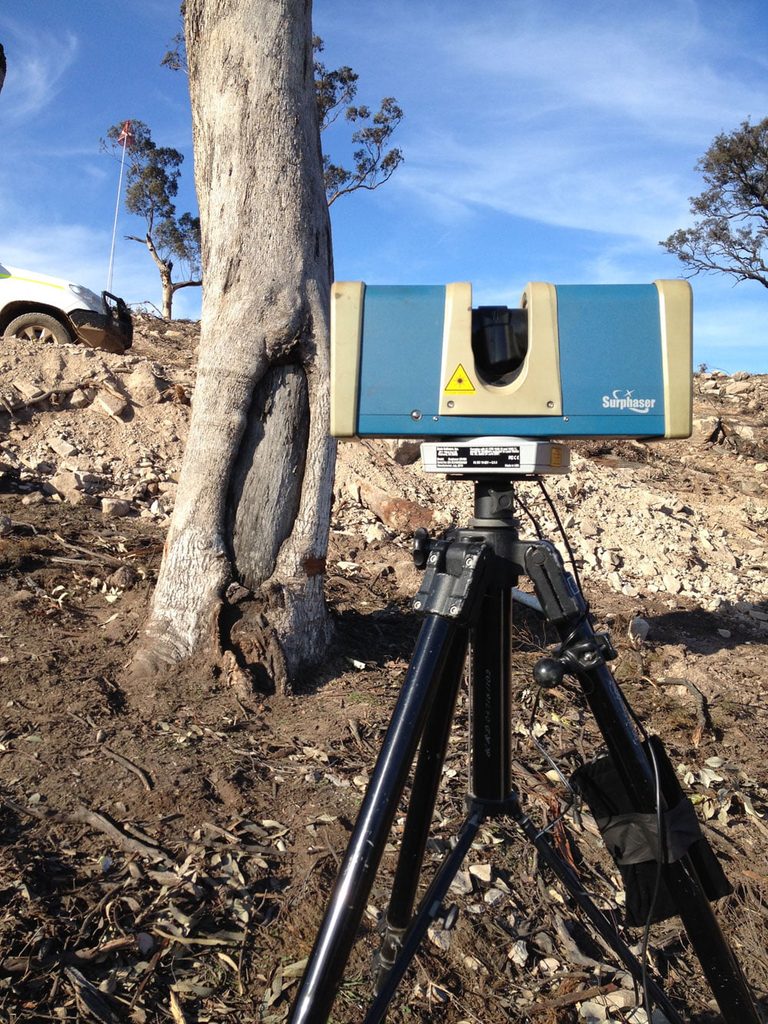
You’re probably wondering what a “scarred tree” actually is, right? Indigenous Australian people carefully removed bark from these trees using stone axes, creating deep cuts to harvest materials for canoes, shelters, shields, and coolamons (carrying vessels).
Each scar tells a story about who was here, what they were making, and how they lived. These marks are like fingerprints left by generations past, and they’re absolutely irreplaceable evidence of Aboriginal occupation and activities in the area.
The Tech Side of Things 💻
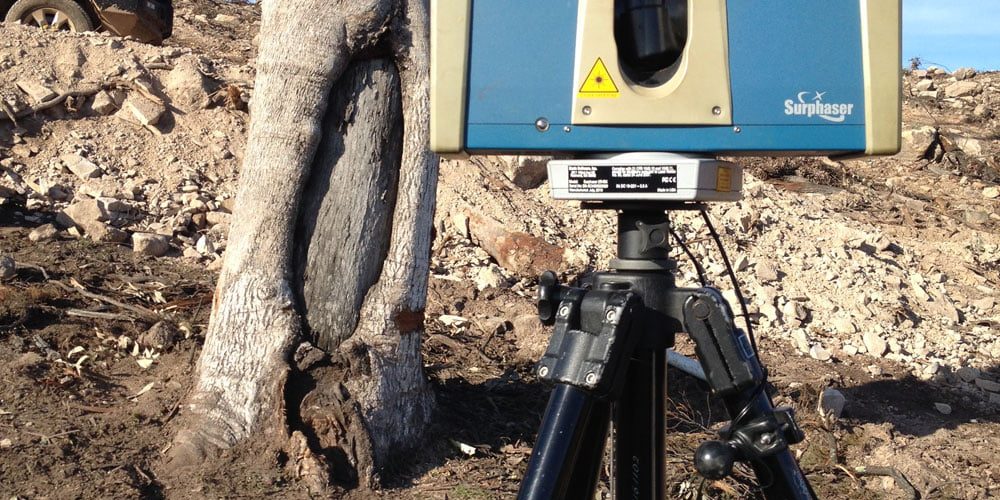
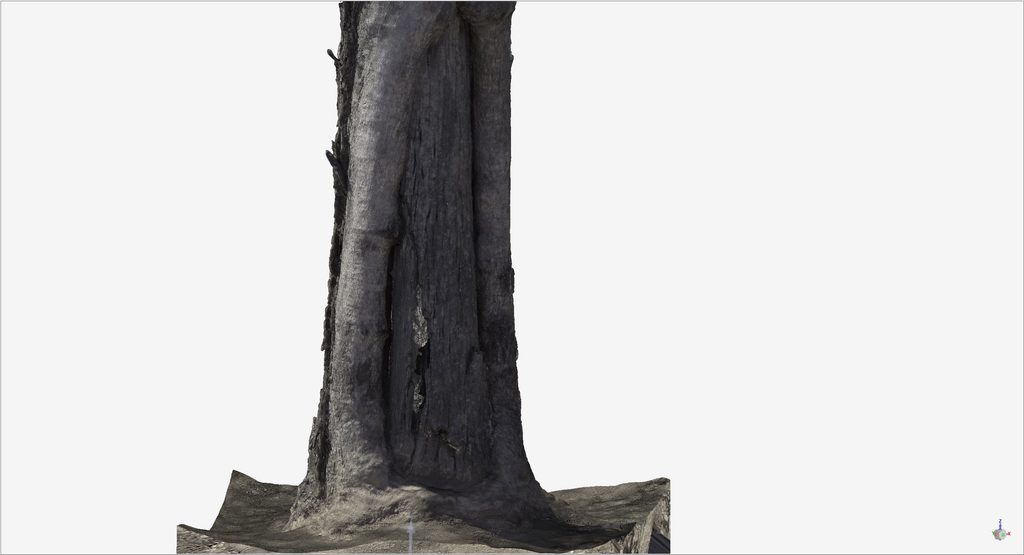
So how does 3D scanning actually work in this context? The team captured every detail of these scarred trees using laser scanning technology. This technology is important in the documentation of natural materials, as the process does not touch the artefacts, and it is able to catch the tiniest of details in shape and colour. We’re talking millimetre-level accuracy here! Combined with HDR photographs, we’ve created “digital twins” that anyone can interact with online.
Obviously, when it comes to important sites like these trees, the best possible outcome is to leave them where they are so the local community can continue to look after them. However, in this day and age, it is common for mining operations and Aboriginal peoples to compromise and settle on certain plans regarding the land and heritage sites. In this case, 3D scanning is the next best solution in order to preserve and share the culture with Indigenous peoples and people from all over the globe, and to then relocate the trees. Instead of these precious records sitting in a dusty archive somewhere deep in a library, they’re now accessible to the wider community. Students, researchers, Traditional Owners, or anyone curious about Aboriginal heritage can explore these trees such as from their phones or computers.
Why This Approach Matters
The physical trees? They were salvaged successfully and stored in a museum-like warehouse at the mine premises. But here’s the thing: having both digital and physical preservation means we’re not putting all our eggs in one basket. The 3D scans act as insurance, sure, but they’re also so much more than that.
Building Partnerships That Actually Work 🤝
What really sets Wilpinjong apart is how they’re working with Aboriginal communities. The mine established an agreement with the Aboriginal community, recognising they’re operating on Aboriginal land. That’s not just lip service, either.
They’ve set up the Registered Aboriginal Parties’ Consultation Committee (RAPCC), which meets regularly to discuss cultural heritage issues. This committee includes representatives from all eight Registered Aboriginal Parties they work with. Everyone who might interact with their cultural heritage sites gets proper training. That’s walking the talk, not just talking the talk.
The mine’s Aboriginal Cultural Heritage Management Plan is a living guide that helps them manage and minimise impacts on 1,000+ heritage sites.
What Can Your Operation Learn From This? 📚
If you’re in mining or cultural documentation, there’s heaps to take away from Wilpinjong’s approach:
Get ahead of the curve: Don’t wait until you’re about to disturb a site to think about preservation. Early documentation means you’ve got options.
Invest in proper tech: 3D scanning might seem like overkill, but the level of detail it captures is something photographs alone can’t match. It’s future-proofing.
Make it accessible: What’s the point of preserving heritage if no one can access it? Digital formats mean broader reach and longer-term preservation, making it great for tech focused museums and education.
Build real relationships: Consultation committees are opportunities to learn, collaborate, and make better decisions together.
The Bigger Picture 🌏
Projects like this show that mining companies can be thoughtful of cultural heritage, not just extractors of resources. We are committed to combining respect for Traditional Owners, cutting-edge technology, and a commitment to preservation in this day and age.
At Wysiwyg 3D (we’re based on Bidjigal People’s land of the Eora Nation, connected to the Dharug language group), we’ve seen firsthand how this kind of work creates connections between past and present. It’s about making sure future generations can learn from and appreciate the rich cultural history that exists all around us.
What do you reckon? Could your site benefit from this kind of approach? The technology’s there, the frameworks exist, and the benefits speak for themselves. Sometimes the best way forward is to make sure we’re bringing the past along with us.
Frequently Asked Questions
What are Aboriginal scar trees and why are they important?
Scar trees are eucalypts where Aboriginal people removed bark using stone axes to create canoes, shelters, shields, and containers. They’re significant because they provide direct evidence of Aboriginal occupation and activities, offering insights into how Traditional Owners lived and used the land for thousands of years.
How does 3D scanning help preserve cultural heritage?
3D laser scanning captures every detail of an object or site with millimetre-level accuracy, creating a digital twin that can be stored, shared, and explored online. This means even if the physical object is damaged or lost, we’ve got a complete record that’s accessible to researchers, Traditional Owners, and the wider community without the restrictions of physical archives.
What is the Wilpinjong RAPCC?
The Registered Aboriginal Parties’ Consultation Committee (RAPCC) at Wilpinjong Mine is a group that meets regularly to discuss cultural heritage issues. It includes representatives from all eight Registered Aboriginal Parties working with the mine, ensuring Aboriginal voices are heard in decisions affecting their heritage.
Can the public access the 3D scans of the scarred trees?
Yes, that’s one of the key benefits of this approach. Rather than keeping records locked away in archives, the 3D scans and HDR photographs are made available as interactive pieces of information for the wider community, making cultural heritage accessible to anyone interested.
How many Aboriginal heritage sites are at Wilpinjong Mine?
There are more than 1,000 documented Aboriginal cultural heritage sites at Wilpinjong Mine. The mine manages and minimises impacts on these sites through its Aboriginal Cultural Heritage Management Plan, and all employees and contractors whose work interacts with cultural heritage receive proper training.
We would love to hear from you!
Let us know if you have ever seen a 3D model of a cultural object or site before.