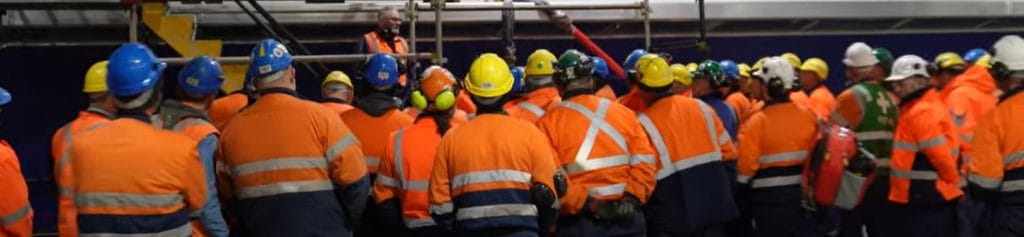

Two major tech events this month of May. Leica Future Forum saw over 300 professionals, with hands-on demos and insights into leading AI systems. Also, Australian Manufacturing Week 2026 concluded this month in Brisbane, highlighting a manufacturing sector that defies the “industrial desert” stereotype. From CNC machining and laser cutting to robotics and automation, Australian manufacturers prioritise quality, engineering skill, and trusted customer relationships over low costs. In Tasmania, Incat gained attention by launching the world’s largest battery-electric ship, marking a significant achievement for local manufacturing. However, challenges persist, such as the recent scale-back of the inland rail project, which could impact infrastructure support for the industry’s growth.
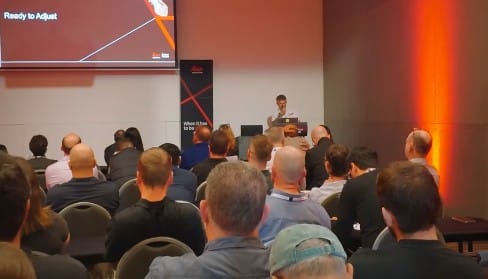
A Peek into the Future: Leica Future Forum
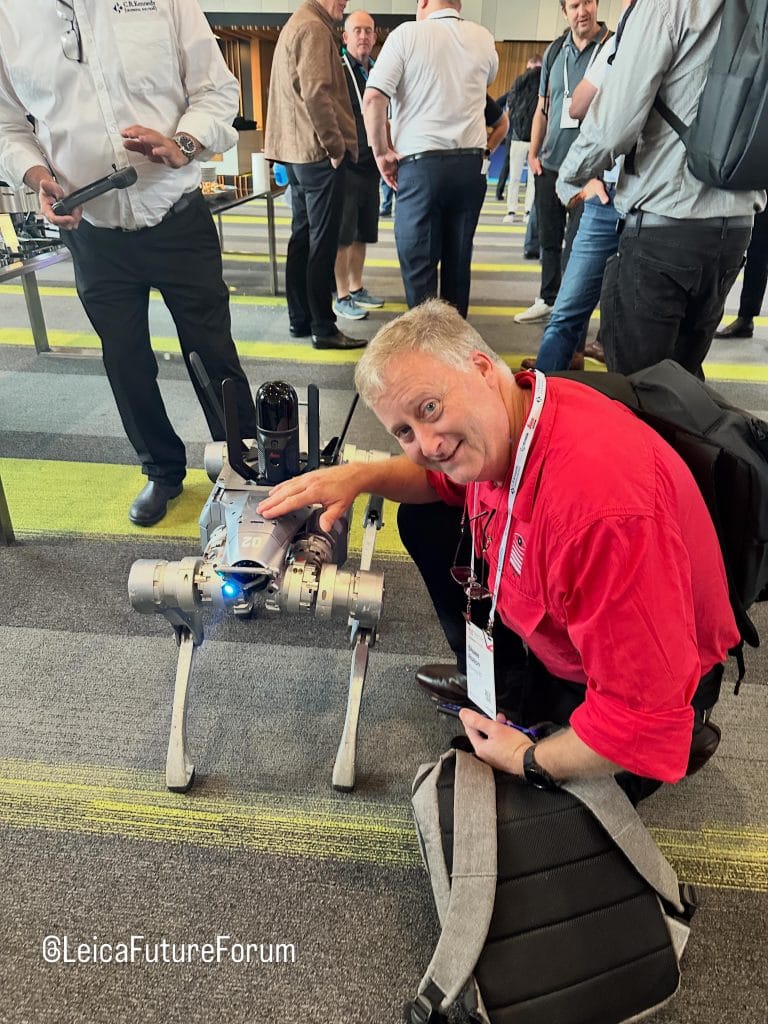
The Leica Future Forum provided an insightful look into the future of AI and technology by gathering over 300 professionals in an engaging environment. The event offered more than traditional presentations; it allowed participants direct interaction with the latest AI systems and demonstrations. This platform facilitated exploration of cutting-edge technology, alongside opportunities for networking with industry leaders who are pioneering advancements in the field. Whether you are a technology enthusiast or a professional looking to stay informed, the insights shared at the forum underscore the transformative impact of innovation on global industries. Pictured to the left is Shane Rolton, Wysiwyg 3D’s Managing Director at the Leica Future Forum.
Time needed: 5 minutes
Meet Shane Rolton and the Wysiwyg 3D team at their next big event – Food Pro 2026.

What Went Down at Australian Manufacturing Week 2026
Australian Manufacturing Week took place this month in Brisbane. Contrary to the belief that Australia no longer manufactures products, the exhibition presented a different reality.
The Real Deal: What’s Actually Being Made Here
Sinosmart’s takeaways from the event indicated that the focus was not on mass production of inexpensive products. Instead, the emphasis was on CNC machining, laser cutting, automation technologies, robotics, welding systems, testing equipment, and industrial software.
Australian manufacturing does not aim to compete with large-scale production volumes or low prices. Instead, it focuses on engineering capability, quality control, reliable delivery, and fostering long-term customer relationships. Sectors such as mining, infrastructure, defence, and clean energy show genuine demand for local manufacturing and advanced engineering services.
Finding Value Where Others Don’t Look
Many Australian businesses hold significant underlying value that is not always fully recognised. They may have customers, industry experience, and strong local trust but face challenges such as succession planning, limited growth capital, or weak connections to Asian supply chains.
Conversely, for Chinese and Asian companies, entering Australia involves challenges beyond shipping products into the market. The real challenge lies in building local channels, providing on-the-ground service, meeting compliance requirements, earning customer trust, and finding the right local partners.
Some of the best opportunities in Australian manufacturing are not found in the most prominent or attention-grabbing spaces. They are found within traditional industries, engineering expertise, long-term customer relationships, and industrial transformation.
Tasmania’s Big Win: Incat’s Record-Breaking Launch
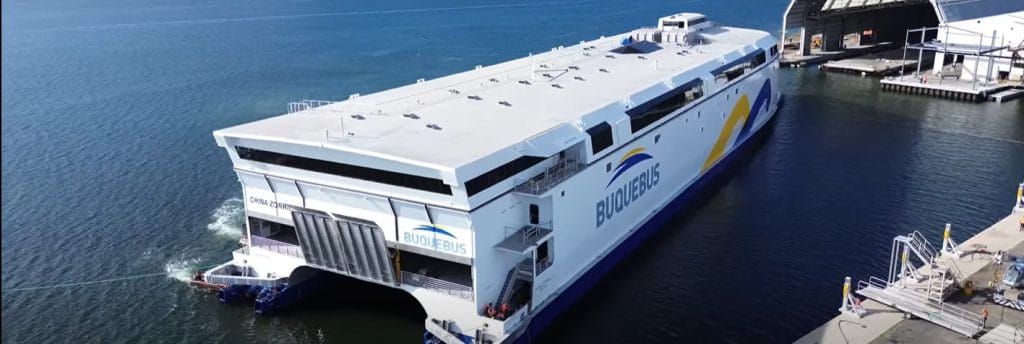
In Tasmania, Incat launched Hull 096, the world’s largest battery-electric ship, at the Prince of Wales Marina. The vessel was launched from the main production hall into the River Derwent. The launch was conducted with high skill, precision, and professionalism.
This achievement exemplifies the capability of Australian manufacturing to produce world-class products domestically, contributing positively to the industry.
The Inland Rail Setback: What It Means for Manufacturing
“The Australian government has stopped development on the northern part of the 1,600-kilometre long Inland Rail project in a major setback for rail businesses. The railway was intended to cut the container train journey time between Melbourne and Brisbane from 33 hours to under 24 hours.” – Railfreight.com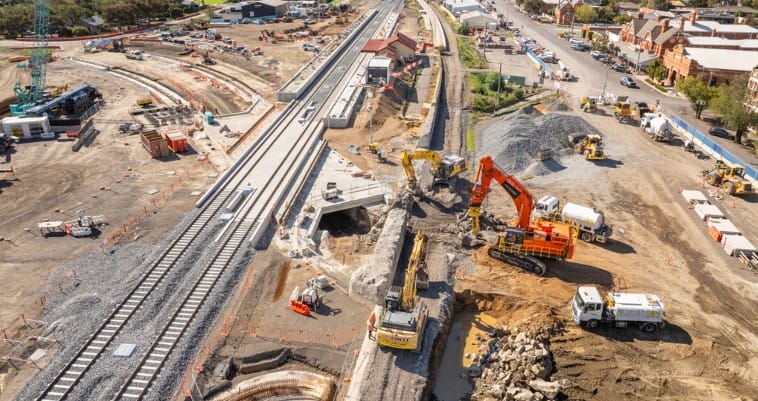
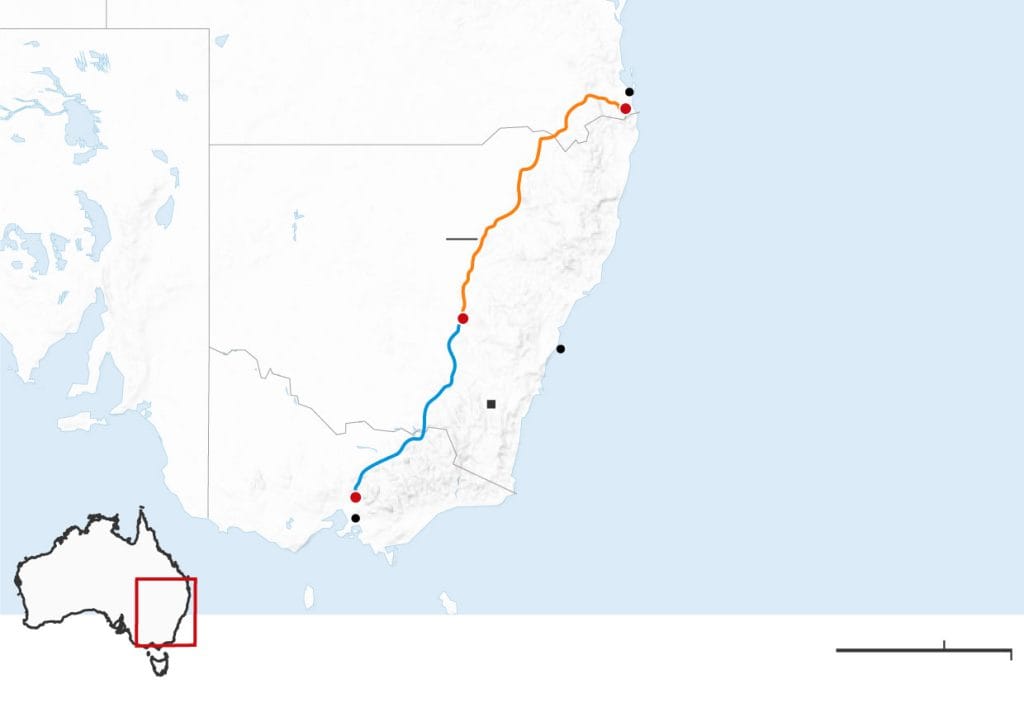
According to The Guardian, the Albanese government will significantly scale back the inland rail project, previously planned to connect country New South Wales and Queensland by rail. The project will now only connect Beveridge in Melbourne’s outskirts to Parkes in central west NSW.
The cost has increased by over 50% in three years. The government is reallocating $1.75 billion of the funding to other national rail upgrades instead.
For manufacturing industry trends, this presents a mixed outlook. Improved rail infrastructure could have enhanced manufacturers’ ability to move goods efficiently nationwide. However, other rail upgrades may still benefit the sector in various ways.
Image Source: Inline Rail
What This All Means for Investment in Manufacturing
The takeaway from the Australian manufacturing sector is that it is active and evolving. From insights at Australian Manufacturing Week to Incat’s significant ship launch, there is notable activity warranting attention.
For those considering investment in manufacturing, opportunities exist, albeit requiring an alternative mindset. It is essential to understand a business’s position within its industry, customer base, operational capabilities, technical expertise, equipment foundation, team strength, and local brand trust.
The intersection of Asian manufacturing capability with Australia’s customers and market presence is where intriguing developments occur. Whether through acquisitions, distribution partnerships, joint ventures, investments, or localisation strategies, multiple paths exist.
Manufacturing in Australia focuses on leveraging engineering expertise, quality control, reliable service, and trusted relationships with customers. With the growing importance of advanced engineering services in sectors like clean energy and defence, the future appears promising.